Please contact me by clicking here, to open a form.
The Art Laboratory is my place of work. Here I teach science, build interactive Apps for student learning, create installations, such as the Museum of the Cell, and delve into the art and science of nature, through sketches and illustrations.
The Museum of the Cell was created in 2019 from an interactive learning and art installation at Tension Fine Art. The title of that show was Cell Graffiti.
The opening coincided with the 2019 Peckham Festival. The general public and my students were all invited to visit and to look around at the exhibits. There they could explore nature in a unique way through the lens of science and art combined.
The Art Laboratory itself has teaching facilities where I hold tutorial classes and teach online, whilst the pop up “Museum of the Cell”, that I installed there, is thoroughly documented with images and four videos I made about the exhibits. These relate to four different aspects of the science of nature.
The photographs and videos below document the various exhibits and explain the ideas behind them.
Enjoy!
1) Video 1: The Camera Obscura, and how it models the eye.
2) Video 2: Bread Making Chemistry.
3) Video 4: ATP, the energy molecule.
4) Video 6: Ribosomes and Protein Synthesis.
Section 1: The Camera Obscura. When visitors first saw this exhibit, many thought it was done with electronic trickery. But it wasn’t! The light comes into a darkened room through small holes cut into the window shutters. It lands on tracing paper carrying all the colour of the outside world with it. Magnifying glasses help focus the images. The evolutionary story, which this emulates, starts with the simple light sensors of scuttling woodlice, running for cover. Higher organisms evolved with these sensors embedded in cavities allowing them to create more complicated images. In this artwork we have a multitude of eyes peering up and down Trafalgar Avenue and St George’s Way, catching the landscape outside and the occasional 63 or 363 bus juddering past.

Section 2: The chemistry of bread making. (below left) Kneeding makes the bread dough rubbery and elastic as the action causes chemical bonds to form amongst the network of gluten fibres. Yes, modern flour has perhaps been customised to have too much of this stuff! The yeast then fills this rubbery network with carbon dioxide gas!

Section 3: The DNA spiral. (above right) This intricate scale model represents the spiral of a DNA molecule wound around a broom handle. After all, this was made in an artist’s studio! The coloured beads were all painted and drilled at the right angles using a homemade jig. Here’s the thing about giant molecules. The shape of the whole all depends on the local shapes of the individual atoms and their relations to their neighbours.
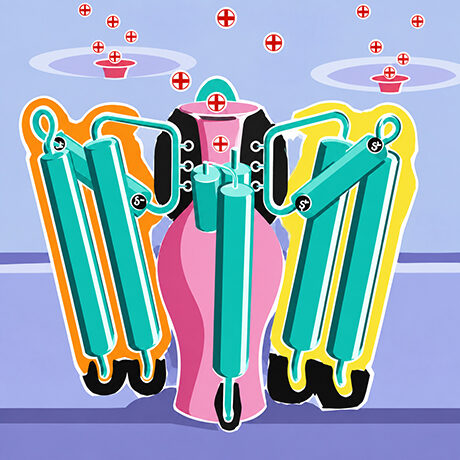
Section 4: Proteins! (below) More than meat and soya, proteins are tiny microscopic machines. They move around inside us powered by the hurricane speeds of clanking molecules bashing about in our cells and various twitching legs. The large curtain of hanging ping-pong balls are designed to emulate the membrane of a cell. The balls have symbols and images written on them with felt tip and paint. They form larger patterns and sequences showing the complex machinery of proteins that grant or bar entry to any living cell.

Modelling the Science of Nature in The Art Laboratory. Human biology and the human consciousness.

Sketches at Tension Fine Art July 2024, Double Vision show. (Click for clearer image)

Sketches from The Art Laboratory, January to July 2022, Consciousness series. (Click for clearer image)

Sketches from The Art Laboratory, August to December 2021, Physiology of the Body series. (Click for clearer image)
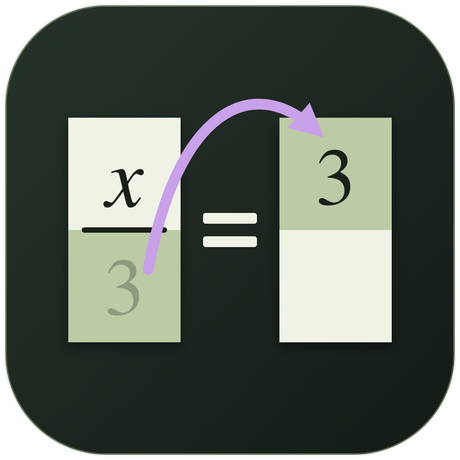
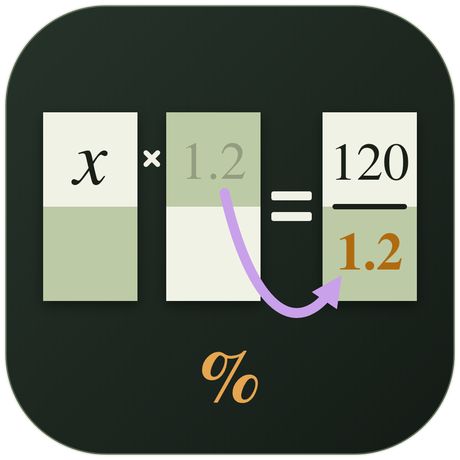
The Apps, in the right column are a crucial part of my teaching. I have built them up using HTMLcoding, A.I. and my understanding of science. They are developed in The Art Laboratory using flow charts, plans and occasional large sketches, sometimes on wall mounted paper or canvas. The final products are well designed interactive Apps. They are easy to use and also humorous. They include exam practice tools with A.I. assistant marking and a treat version which uses food rewards to transform that experience into a game. The B7, App, and the Photo 51 App. highlight the importance of women as pioneers of science. They simulate Ada Lovelace’s creation of the World’s first computer program and Rosalind Franklin’s beautiful photograph 51, taken immediately after her fully annotated and ground breaking photo 49. Images that cracked the DNA code. A pigment mixing app for my art students along with a chance-driven, image-making App and various maths game Apps, complete the set shown here.
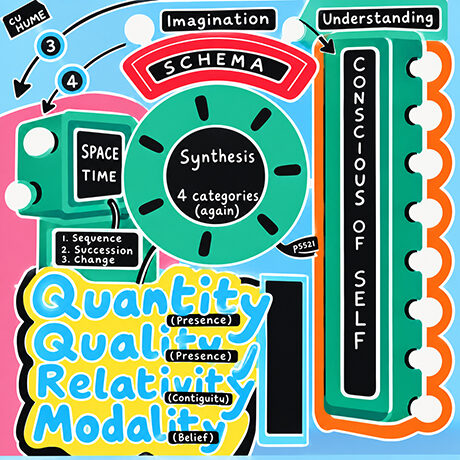
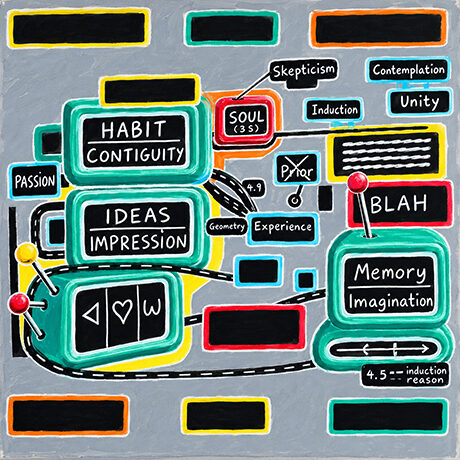
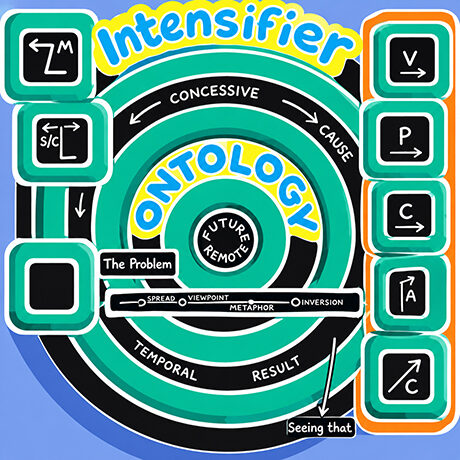
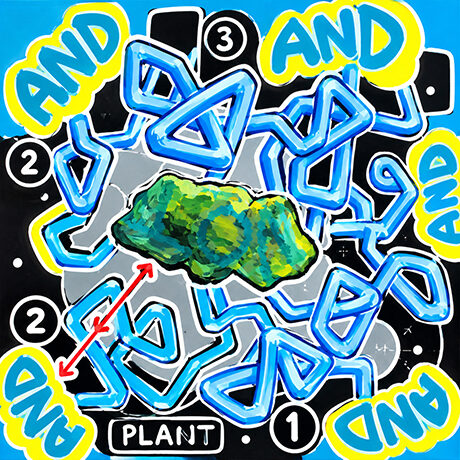
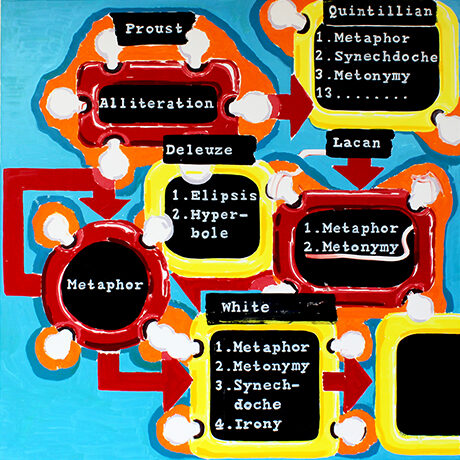
On the left you have my essays. I usually ponder over an idea, knock out a sketch holding the key ideas that need to be explored, convert it into an illustration and build the essay round it. This work space really is The Art Laboratory, because science and art should never have been separated. The former is a way of looking and the latter, a way of seeing. Key scientific ideas from physics and biology essays are linked within a wider toolkit of essays that explore language and metaphor in science. Around that structure of language, one that I am very aware of as a teacher, is a set of essays that explore our psyche, modelled from philosophy, and in particular Immanuel Kant and David Hume. This outer meta layer is concerned with how I and my students actually think when drawing conclusions about science and nature. The sketch-based illustrations are the visual basis of an ever growing interactive textbook about the science of nature. Many of my students are neuro-diverse and it is this visual aspect of their science syllabus, that they like.